
MOTS-c Peptide: Benefits, Dosage Chart, Side Effects
Although it is marketed online as a research chemical, being “available” does not equate to being “approved. Neither a dietary supplement nor an FDA-approved drug, it was recommended by FDA staff not to include its bulk forms in the 503A list prior to a meeting on July 23, 2026. They are conventions from crowds, rather than doses validated by clinical trials, a human trial has yet to publish any results. While there exists strong — repeated evidence from mice and observational data in humans indicating that native MOTS-c declines with age, no conclusive trials have evaluated its effectiveness as a therapy for people.
For individuals researching peptides aimed at fat loss, MOTS-C offers a different mechanism than GLP-1 agonists or peptides related to growth hormone. The mechanism was demonstrated by the researchers, which is of significant importance. The study found that a single session of cycling leads to an increase in MOTS-C levels in the skeletal muscle of young male volunteers, as measured in biopsies.
In the landmark study published in Cell Metabolism in 2015 — researchers found that the administration of MOTS-c to mice enhanced insulin sensitivity and safeguarded the animals from obesity induced by diet. The specific receptors or binding partners for MOTS-c in humans are still under investigation — making the translation of these mechanisms into predictable human outcomes an ongoing scientific inquiry. Another closely related mechanism involves the folate-methionine cycle, a series of biochemical reactions that provide one-carbon units necessary for metabolism. The AMP-activated protein kinase (AMPK) pathway is the most thoroughly characterized mechanism associated with MOTS-c. In Europe (MOTS-c is also available as a pre-filled pen), and our article discusses the comparison of vials and pens regarding price per mg and stability.
MOTS-c (40mg vials)
Because MOTS-c has a relatively short half-life — it is typically dosed on multiple days per week rather than as a single large weekly dose. The most commonly referenced human range is 5–10 mg per subcutaneous injection, 3–5 times per week. It is a reasonable KPV.com’s main page hypothesis (not an established effect in people), and human trials looking at obesity, glucose control and aging markers are still early. They may guide future research but do not justify clinical claims today — and a responsible clinic will not market MOTS-c for these uses. In the foundational 2015 work (MOTS-c enhanced insulin sensitivity), promoted glucose uptake in muscle, and protected mice against high-fat-diet-induced obesity and insulin resistance.
0.3cc 31G syringes — each gradation marks 1 unit (vs 2 units on 1cc), making sub-50-unit peptide doses accurate. The most-mentioned dedicated peptide-storage fridge in research community sources — fits ~20 vials and runs quietly. What to actually expect once the protocol is underway, community-reported milestones and the clinical-trial data behind each. You’ve got the protocol — here’s what to expect (how to prep), and where to source MOTS-c. MOTS-c and SS-31 work through completely different mechanisms — MOTS-c signals via AMPK while SS-31 physically stabilizes cardiolipin. Each 10 mg vial is used up in two weeks, inside the 28-day refrigerated window documented for reconstituted MOTS-c.
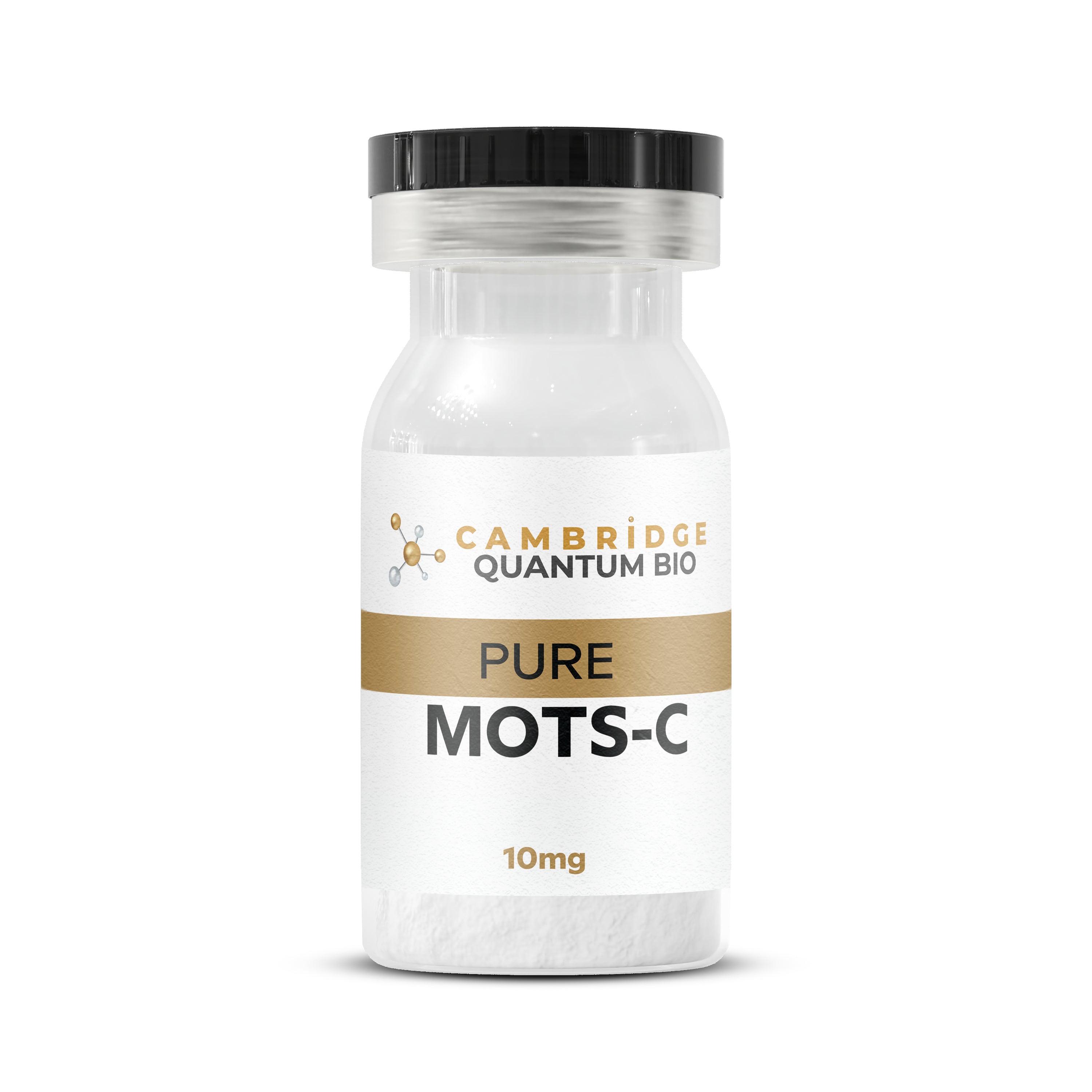
Account for priming losses (dropped syringes), damaged swabs, and any modifications to the protocol by rounding up. Develop plans based on reconstituting a 10 mg vial of MOTS-c with 1.0 mL of bacteriostatic water. These levels are summarized from animal research , Reynolds 2021, Lee 2015, Kumagai 2021,, the WADA monograph, and the language used by clinic providers reported in Innerbody’s review of MOTS-c. Cycling is reported to help mitigate AMPK downregulation and provides a clean off-window for evaluating markers. For research focused on protocols, refer to Peptide Dosing Protocols as well. Researchers utilized it to assess tolerance and histamine responses.
Furthermore, the Cognitive Vitality Report notes potential interactions with drugs, particularly those that activate AMPK.
This protocol aids in glucose metabolism, diminishes cortisol dominance, and supports hormonal rebalancing during or following stressful periods. MOTS‑c is a multifunctional peptide that complements agents for fat loss (insulin sensitization), and mitochondrial enhancement. Typically (MOTS‑c is given as a subcutaneous injection), with cycles lasting from 2 to 4 weeks based on objectives such as fat loss, performance enhancement, or metabolic resetting. It promotes metabolic flexibility in both fasted and fed states, proving beneficial for those with insulin resistance or post-cycle metabolic slowdown, and may enhance fasting, low-carb, or Clean Carbs strategies for performance athletes. Its main draw is its capacity to optimize fuel utilization at the cellular level (making it highly relevant for fat loss), endurance, and aging. The primary action mechanism involves activating AMPK , AMP-activated protein kinase,, a key regulator of cellular energy.
Those particularly interested in peptides for weight management can refer to our guide on peptide therapy and weight-loss objectives for comparisons across the landscape. However — studies conducted on mice cannot confirm whether administering MOTS-c will yield the same safe effects in humans. In these experiments, the administration of MOTS-c lessened obesity induced by diet and improved insulin resistance. The original research from 2015 pinpointed skeletal muscle as a critical target and demonstrated that MOTS-c affects metabolic homeostasis and insulin sensitivity in mice. Research has pinpointed numerous potentially significant pathways — but much of this work remains in the mechanistic or preclinical stage. MOTS-c garnered scientific interest due to its close association with mitochondrial biology (which is linked to energy metabolism), stress response, glucose regulation, skeletal muscle functionality, and aging.
